Does Caffeine Cause Calcium Deficiency? 5 Critical Facts You Need to Know
Introduction
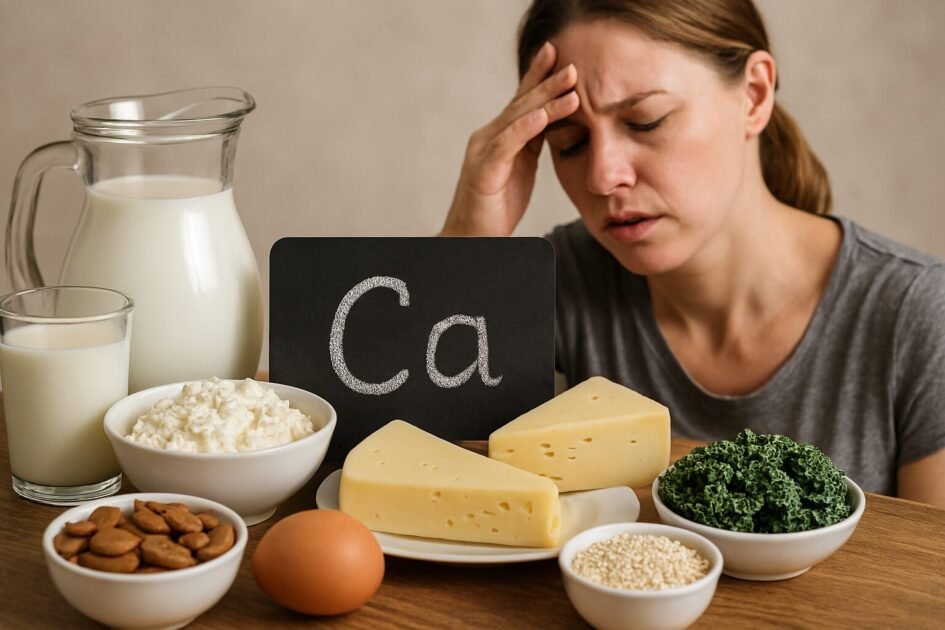
Many coffee lovers frequently find themselves asking, “Does caffeine cause calcium deficiency?“ as they reach for their second or third cup of the day. For decades, a cloud of concern has hung over our morning rituals, fueled by studies suggesting that caffeine might act as a “thief,” actively leaching vital minerals from our skeletal system. Because calcium is the primary building block for our bones, the idea that a daily latte could lead to brittle bones or osteoporosis is understandably alarming.
However, modern nutritional science provides a much more nuanced perspective than the headlines often suggest. While it is true that caffeine interacts with how our bodies handle minerals, the biological reality is less about “bone theft” and more about minor fluctuations in absorption. According to research cited by the National Institutes of Health (NIH), the impact of caffeine on calcium levels is generally considered negligible for individuals who maintain an adequate daily intake of bone-supporting nutrients.
In this article, we will dive into the physiological relationship between your caffeine habit and your bone density. By understanding how the body processes these substances, you can enjoy your favorite brews without compromising your long-term health.
Fact 1: Caffeine Causes a “Short-Term” Leak (The Mechanism)
The primary reason people ask if caffeine causes calcium deficiency is due to its role as a mild diuretic and its effect on the kidneys. When you consume caffeine, it slightly increases the rate at which calcium is excreted through your urine. This occurs because caffeine interferes with the kidneys’ ability to reabsorb calcium before it is flushed out of the system. Additionally, caffeine can cause a very slight decrease in the efficiency of calcium absorption in the small intestine for a brief window—usually lasting about one to two hours after consumption.
However, it is important to look at the actual numbers to understand the scale of this “leak.” Research indicates that for every cup of coffee you drink, the net loss is only about 2 to 6 milligrams of calcium. To put that into perspective, the recommended dietary allowance (RDA) for most adults is between 1,000 and 1,200 milligrams per day.
While this loss is measurable in a laboratory setting, the National Osteoporosis Foundation notes that this level of depletion is biologically insignificant for most healthy individuals. The body is remarkably efficient at maintaining calcium homeostasis, and as long as you aren’t already severely deficient in the mineral, your skeletal health remains well within the safety zone.
Fact 2: The “1-to-1” Rule Can Neutralize the Loss
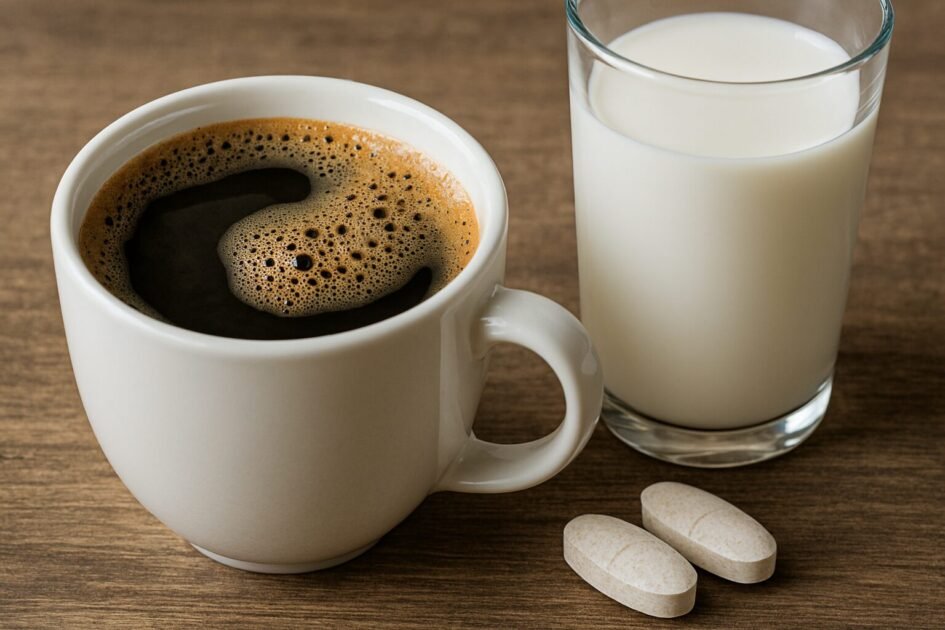
The most reassuring news for coffee drinkers is that the minor calcium loss caused by caffeine is incredibly easy to counteract. Nutritional experts often refer to the “1-to-1” rule: the calcium lost from one cup of brewed coffee can be entirely offset by adding just one to two tablespoons of milk to your drink. By including a splash of dairy or a calcium-fortified plant-based alternative, you are essentially replacing the minerals before they even leave your system.
This “taming” of the caffeine effect is a primary reason why many health organizations do not view moderate coffee consumption as a threat to the general population. According to the Harvard T.H. Chan School of Public Health, coffee can be part of a healthy diet, and its potential benefits often outweigh these minor mineral fluctuations.
However, the “1-to-1” rule highlights a critical caveat: caffeine only becomes a concern for bone health when your overall dietary calcium intake is already insufficient. If you are meeting your daily requirements through mineral-rich foods—such as leafy greens, sardines, or fortified cereals—your body has a sufficient “buffer” to handle the effects of caffeine. Problems typically only arise when a high-caffeine habit is paired with a diet that consistently falls below 800mg of calcium per day, as noted in clinical reviews available through the Mayo Clinic.
Fact 3: Not All Caffeine Sources are Equal
While we often group all caffeinated beverages together, their impact on your bones can vary significantly depending on their chemical composition. If you are worried about whether caffeine causes calcium deficiency, it is important to distinguish between the natural caffeine found in coffee or tea and the synthetic versions found in processed soft drinks.
The Soda Problem: Phosphoric Acid vs. Caffeine
For soda drinkers, the primary threat to bone health isn’t always the caffeine—it’s often the phosphoric acid. Phosphoric acid is a common additive in dark colas used to provide a tangy flavor and prevent the growth of mold. However, a high intake of phosphorus can interfere with how your body absorbs and utilizes calcium.
Research found that women who drank cola regularly had significantly lower bone mineral density than those who did not. Interestingly, this effect was not seen with non-cola carbonated beverages (like lemon-lime sodas) or coffee, suggesting that the combination of caffeine and phosphoric acid in colas is particularly taxing on the skeletal system.
Energy Drinks and High-Dose Risks
Energy drinks present a different set of challenges. These beverages often contain much higher concentrations of caffeine than a standard cup of coffee—sometimes upwards of 200–300mg per serving. According to the Bone Health & Osteoporosis Foundation, while moderate caffeine is safe, “excessive” amounts can lead to more significant urinary calcium loss. Furthermore, a 2021 study by the University of South Australia demonstrated that high doses of caffeine (around 800mg) could nearly double the amount of calcium lost in urine over a six-hour period.
In short, your morning coffee is likely safe, but a habit of multiple daily colas or high-stimulant energy drinks may put your calcium deficiency at a much higher risk.
Fact 4: Genetics and Age Play a Major Role
The answer to whether caffeine causes calcium deficiency isn’t the same for everyone; your biological profile dictates how sensitive your skeleton is to caffeine. Factors like your genetic makeup and your stage of life can significantly change the “risk profile” of your daily caffeine habit.
The Vitamin D Receptor (VDR) Connection
One of the most fascinating aspects of bone health is how our genetics influence mineral processing. Some individuals carry a specific variant of the Vitamin D Receptor (VDR) gene. For these people, caffeine may have a more pronounced inhibitory effect on calcium absorption. Scientific reviews available through the National Center for Biotechnology Information (NCBI) discuss how genetic polymorphisms can influence bone mineral density and how they interact with lifestyle factors like caffeine. This suggests that if your body is already genetically predisposed to less efficient calcium processing, caffeine can exacerbate the problem.
Postmenopausal Health and Hormonal Shifts
Estrogen plays a critical role in protecting bone density by keeping “bone-destroying” cells (osteoclasts) in check. During and after menopause, estrogen levels drop, making bones more vulnerable to mineral loss.
The Endocrine Society emphasizes that for postmenopausal women, maintaining a balance between calcium intake and caffeine consumption is vital. Because the body’s natural “safety net” for bones is weakened during this stage, the small amounts of calcium lost to caffeine are harder for the body to replace. If you fall into this demographic, ensuring you hit your daily goal of 1,200mg of calcium is essential if you plan to keep coffee in your routine.
The Vitamin D Synergy
It is also worth noting that calcium cannot do its job without Vitamin D. If you are deficient in Vitamin D, your body already struggles to absorb calcium from your gut. Adding a high-caffeine habit to a Vitamin D deficiency creates a “double hit” to your bone health. Ensuring your Vitamin D levels are optimal—often verified through a simple blood test—is one of the best ways to “caffeine-proof” your skeleton.
Fact 5: Lifestyle Habits Usually Matter More Than the Coffee
When investigating if caffeine causes calcium deficiency, it is easy to hyper-focus on your morning cup while ignoring the broader picture of your lifestyle. In reality, several other daily habits have a far more dramatic impact on bone mineral density and calcium retention than a moderate coffee habit.
The Sodium and Sedentary Factors
High sodium (salt) intake is often a much more aggressive “calcium thief” than caffeine. For every 2,300 milligrams of sodium you ingest, your kidneys flush out approximately 40 milligrams of calcium—nearly ten times the amount lost from a single cup of coffee. Furthermore, a sedentary lifestyle lacks the mechanical stress necessary to signal your body to strengthen its bones. According to the Centers for Disease Control and Prevention (CDC), weight-bearing exercises like walking or resistance training are fundamental to maintaining bone density as we age.
The “Safety Zone”
For most healthy adults, the Food and Drug Administration (FDA) suggests that up to 400 milligrams of caffeine a day—roughly four to five cups of brewed coffee—is not associated with dangerous or negative health effects or calcium deficiency, including significant bone loss.
The key takeaway is that coffee is rarely the sole culprit in calcium deficiency and bone health issues. Instead, it is the combination of high caffeine, low calcium intake, high salt consumption, and physical inactivity that creates a “perfect storm” for deficiency. By managing these larger lifestyle factors, the minor impact of your daily brew becomes statistically irrelevant.
Actionable Takeaways: How to Enjoy Your Brew Safely
Knowing the science of calcium deficiency is the first step in knowing , but how do you apply it to your daily routine? You don’t need to switch to decaf to protect your skeleton. Instead, follow these simple, research-backed strategies to ensure your caffeine habit doesn’t lead to a calcium deficit.
Stick to the “Moderate” Range: Aim to keep your caffeine intake under 400mg per day. This is roughly the amount in four cups of brewed coffee. According to the European Food Safety Authority (EFSA), this level is safe for the general healthy adult population.
The “Splash” Strategy: As mentioned earlier, adding just two tablespoons of milk or fortified plant milk to your coffee effectively neutralizes the calcium lost through urinary excretion.
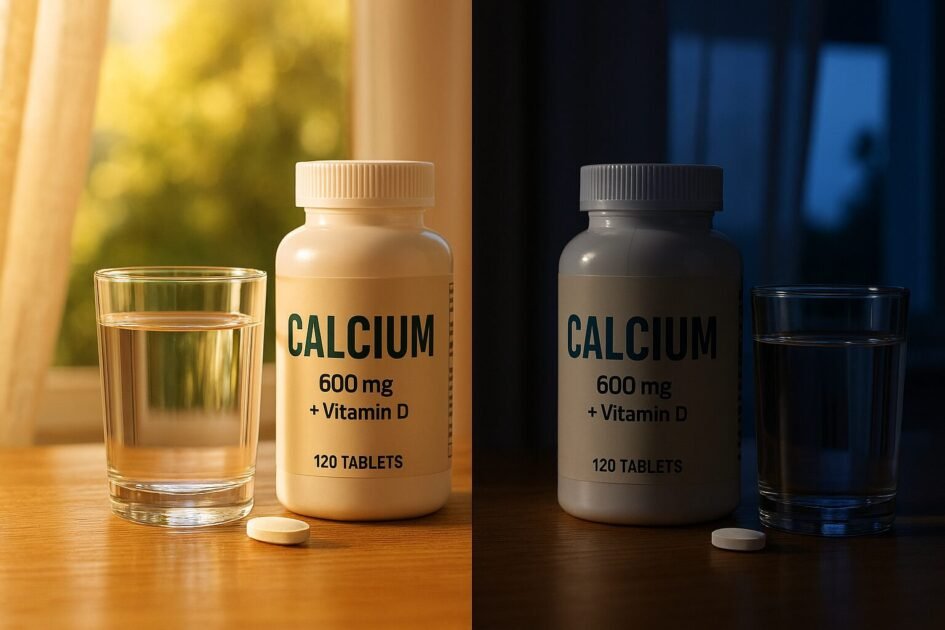
Time Your Supplements Wisely: If you take a calcium supplement, don’t take it at the same time as your coffee. Caffeine can interfere with absorption in the gut; it is best to wait at least one hour between your last sip of coffee and your supplement dose.
Focus on Vitamin D intake: Without Vitamin D, your body can only absorb about 10–15% of dietary calcium. Ensuring you have adequate levels through sun exposure or supplementation (as recommended by the Vitamin D Council) is the best insurance policy for your bones.
Monitor Your Soda Intake: If you are a fan of dark colas, consider swapping them for sparkling water or herbal teas. The phosphoric acid in colas is a much more significant risk factor for bone loss than the caffeine in coffee.
Conclusion
So, does caffeine cause calcium deficiency? The answer is: not on its own. While caffeine does cause a very slight increase in calcium loss, it is a drop in the bucket compared to your total daily needs. The “threat” of coffee to your bones has been largely overstated, provided you aren’t already living on a calcium-poor diet.
For the average person, the health benefits of coffee—including its rich antioxidant profile and potential cognitive protections—far outweigh the minor mineral loss it causes. By staying active, keeping your salt intake in check, and ensuring you get enough calcium and Vitamin D, you can enjoy your daily brew with total peace of mind. Your bones are stronger than a cup of coffee.
Frequently Asked Questions (FAQ)
Q. Does caffeine cause calcium deficiency if I only drink tea?
A. Generally, no. Tea contains significantly less caffeine than coffee (about 30–50mg per cup compared to 95–150mg in coffee). Furthermore, many teas contain flavonoids that may actually support bone density. As long as you aren't consuming excessive amounts, tea is considered very safe for your bones.
Q. Can I “undo” the damage of years of high caffeine intake?
A. Yes. Bone is a living tissue that constantly remodels itself. By increasing your calcium and Vitamin D intake now, and incorporating weight-bearing exercise, you can improve your bone mineral density regardless of your past coffee habits.
Q. Is decaf coffee better for my bones?
A. While decaf coffee has roughly 97% of its caffeine removed, the difference in calcium loss between decaf and regular coffee is statistically tiny for someone with a healthy diet. If you enjoy regular coffee, there is no pressing medical need to switch to decaf solely for bone health.
Q. Should I stop drinking coffee if I have osteopenia or osteoporosis?
A. Not necessarily, but you should be more diligent. If you have been diagnosed with low bone density, the Bone Health & Osteoporosis Foundation recommends limiting caffeine to no more than 2–3 cups a day and ensuring your calcium intake is optimal (1,200mg+). Always consult your physician for a personalized plan.
Q. Do energy drinks affect calcium differently than coffee?
A. Yes, potentially. Energy drinks often contain much higher doses of caffeine and are frequently consumed by younger individuals who are still building "peak bone mass." Excessive intake during these formative years can be more detrimental than moderate coffee drinking in adulthood.