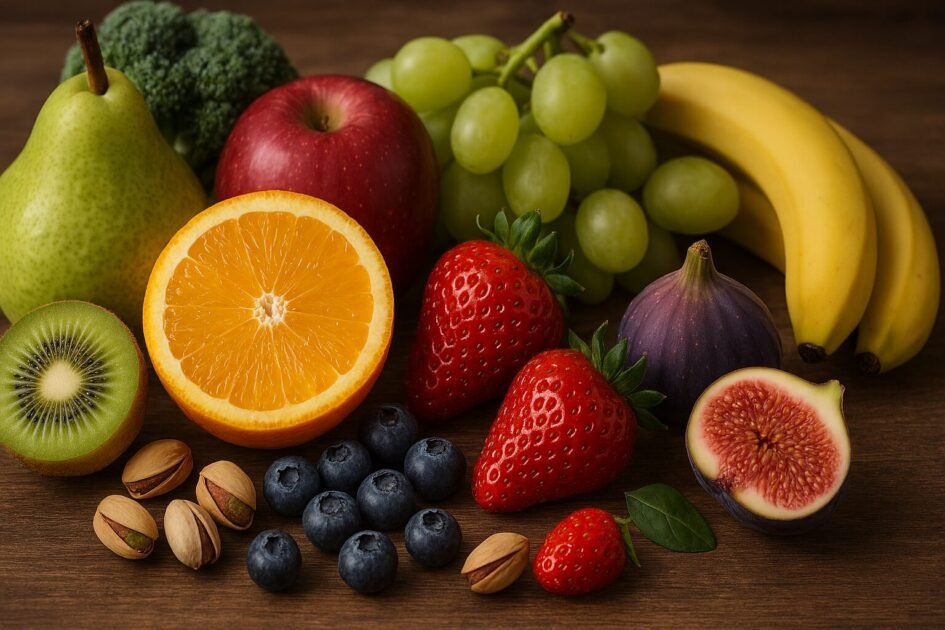
The 10 Best Fruits for Calcium to Add to Your Diet Today
The 10 Best Fruits for Calcium
Incorporating the best fruits for calcium into your daily routine is a delicious and effective way to support your skeletal health without relying solely on dairy products. While milk and cheese are often the most cited sources of this essential mineral, a growing body of research from institutions like the Harvard T.H. Chan School of Public Health emphasizes that plant-based sources—including specific fruits—can play a vital role in maintaining bone density and preventing osteoporosis.
Choosing fruit as a calcium source offers a unique advantage: synergy. Unlike supplements, fruits are packed with “calcium boosters” such as Vitamin C, which improves mineral absorption, and Vitamin K, which is necessary for bone mineralization. According to the National Institutes of Health (NIH), obtaining nutrients through a varied diet of whole foods ensures your body receives the co-factors needed to transport and utilize calcium effectively. Whether you are plant-based or simply looking to diversify your diet, these ten fruits offer a natural, nutrient-dense way to reach your daily requirements.
Dried Figs
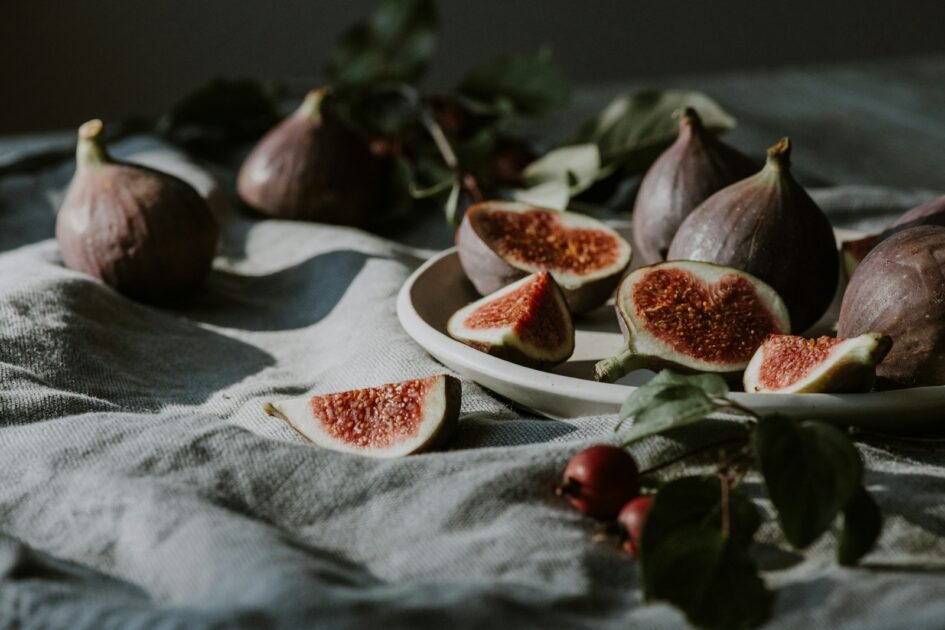
When it comes to the best fruits for calcium, dried figs are the undisputed champions of the fruit aisle. Just one cup of dried figs provides approximately 240 milligrams of calcium, which is nearly 25% of the recommended daily value for most adults. This makes them one of the few fruits that can genuinely compete with a glass of milk in terms of mineral density.
Beyond just calcium, figs are a “bone-building powerhouse” because they also contain high levels of magnesium and potassium. These minerals work together to maintain bone mineral density and prevent the loss of calcium through urine. Research published in the Journal of the American College of Nutrition suggests that the alkaline nature of figs can help neutralize the acid-forming effects of a modern diet, further protecting bone health.
How to integrate them:
As a Natural Sweetener: Chop them up and add them to your morning oatmeal or yogurt.
The Savory Route: Pair them with goat cheese and walnuts on a whole-grain cracker for a calcium-rich appetizer.
On the Go: They are shelf-stable and highly portable, making them a perfect post-workout snack to help replenish minerals.
Oranges (and Fortified OJ)
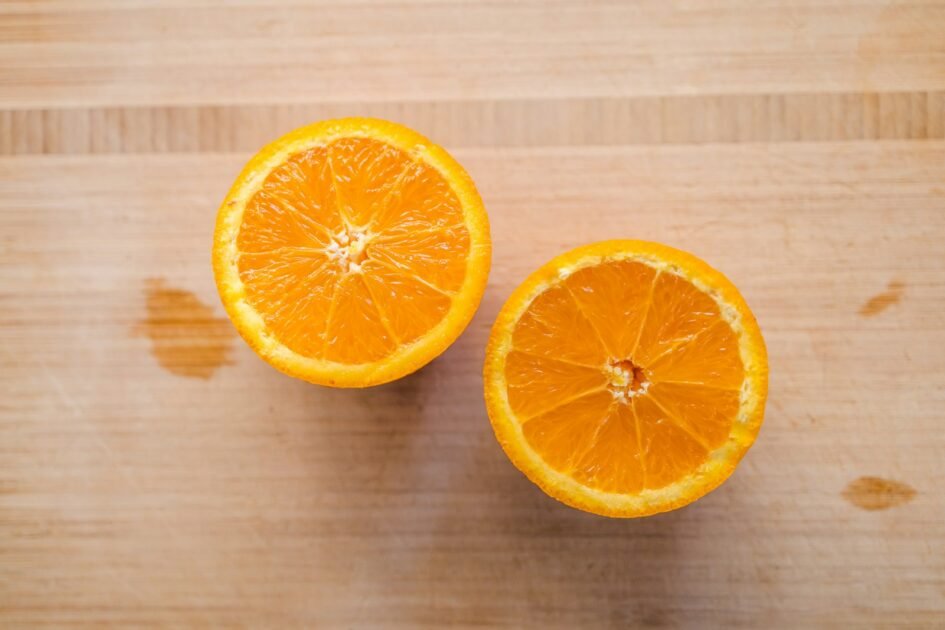
Oranges are widely celebrated for their Vitamin C content, but they also rank highly among the best fruits for calcium due to their unique nutritional profile. A single large orange contains approximately 60 to 75 milligrams of calcium. While this may seem modest compared to figs, the real magic lies in the synergy between the fruit’s calcium and its high concentration of Vitamin C.
According to a review published by Verywell Health, Vitamin C acts as a “mineral facilitator,” increasing the acidity in the gut which helps the body absorb calcium more efficiently. Furthermore, for those who need a more concentrated source, calcium-fortified orange juice is a game-changer. An 8-ounce glass of fortified juice can provide up to 350 milligrams of calcium—nearly 30% of your daily requirement—making it nutritionally comparable to a glass of cow’s milk.
Research from the National Institutes of Health (NIH) has shown that the bioavailability of calcium and Vitamin D in fortified orange juice is just as effective as traditional supplements in maintaining bone health and mineral status.
How to integrate them:
Fresh Squeezed: Enjoy a whole orange as a mid-afternoon snack to benefit from the fiber as well as the minerals.
The Morning Ritual: Swap standard juice for a calcium-fortified version to jumpstart your daily intake.
Zesty Salads: Use orange segments and a citrus-based vinaigrette over spinach (which also contains calcium) for a double-duty bone health meal.
Dried Apricots

Dried apricots are a fantastic addition to the list of the best fruits for calcium, particularly for those looking to boost their intake of bone-supporting minerals on the go. One cup of dried apricot halves provides approximately 70 to 90 milligrams of calcium. While the calcium itself is vital, these fruits also excel because they are rich in potassium—a mineral that helps the body retain calcium rather than losing it through excretion.
The nutritional synergy in dried apricots is well-documented. According to the Oregon State University Extension Service, dried apricots are a concentrated source of Vitamin A and fiber, but their high potassium content is what truly supports skeletal integrity. Potassium works to neutralize metabolic acids that can deplete bone mineral density over time. Furthermore, dried apricots contain non-heme iron and Vitamin K, both of which are essential for overall blood and bone health.
How to integrate them:
Energy Bites: Combine chopped dried apricots with almonds and flaxseeds for a calcium-rich, homemade energy ball.
Savory Tagines: Use them in Mediterranean or North African-inspired stews to add a natural sweetness that pairs perfectly with lean proteins.
Salad Toppers: Sliced dried apricots add a chewy texture and a boost of minerals to kale or spinach salads.
Kiwi
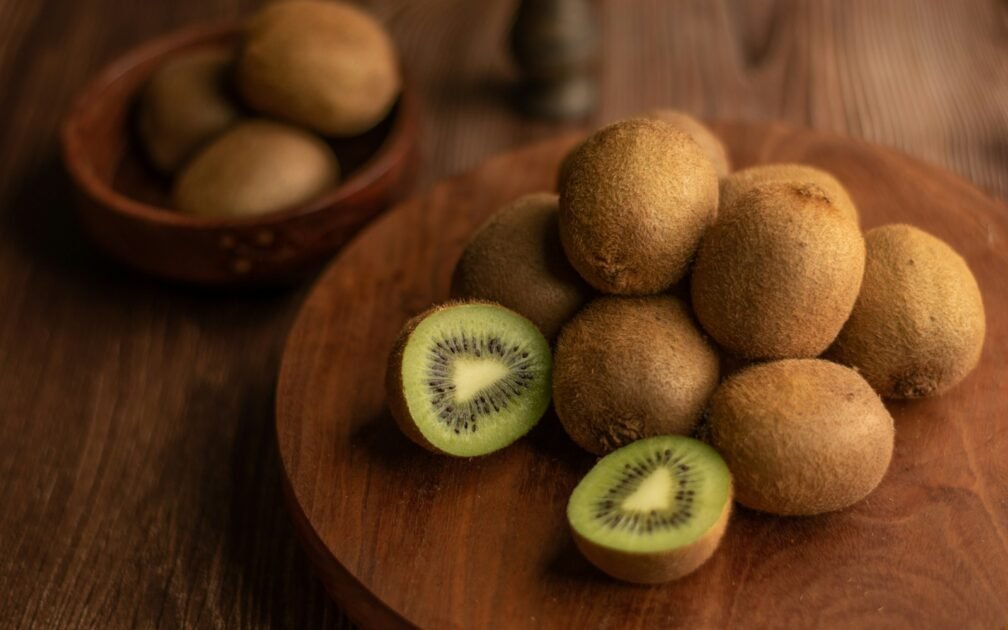
Often overlooked in discussions about bone health, the kiwi is actually one of the best fruits for calcium and overall skeletal support. A single cup of sliced kiwi provides about 60 milligrams of calcium. However, its true value lies in its status as a “nutrient dense” superfood; it offers a massive dose of Vitamin K, a nutrient that is essential for the synthesis of osteocalcin—the protein required to bind calcium to the bone matrix.
According to research highlighted by Medical News Today, the combination of Vitamin K, Vitamin C, and Potassium found in kiwis creates an ideal environment for bone maintenance. Vitamin K deficiency has been linked to higher risks of bone fractures, making the kiwi a vital dietary addition for long-term mobility. Additionally, kiwis contain a high amount of fiber and antioxidants that support gut health, which is where all calcium absorption begins.
How to integrate them:
The “Golden” Smoothie: Blend a kiwi (skin on for extra fiber!) with fortified orange juice and Greek yogurt for a triple-threat calcium boost.
Fruit Salsas: Dice kiwis with mango and lime juice to serve over grilled fish or chicken.
Simple Slices: Keep it simple by slicing them into rounds for a refreshing side dish at breakfast.
Mulberries
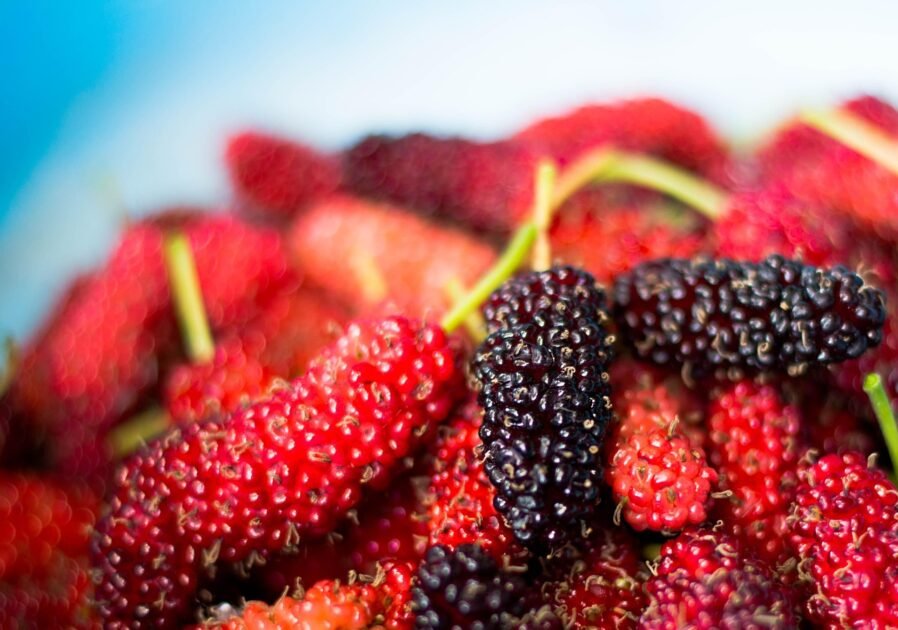
Mulberries are a hidden gem among the best fruits for calcium, offering a surprising mineral punch that many common berries lack. A one-cup serving of fresh mulberries contains approximately 55 milligrams of calcium. While they may be harder to find in standard grocery stores than strawberries or blueberries, their nutritional profile makes them well worth the search for anyone focused on bone health.
What sets mulberries apart is their high iron and Vitamin C content. According to Healthline, mulberries are excellent sources of both, which is rare for a berry. This combination is crucial because Vitamin C aids in the formation of collagen, the structural “scaffold” of the bone, while the calcium fills in that scaffold to provide strength. Furthermore, mulberries contain resveratrol, a potent polyphenol that studies, such as those archived by the National Library of Medicine, suggest may help prevent bone loss and improve bone microarchitecture.
How to integrate them:
Dried Mulberries: These have a chewy, caramel-like flavor and a more concentrated calcium content; toss them into a trail mix with almonds.
Berry Bowls: Mix fresh mulberries into your morning cereal or porridge to diversify your antioxidant intake.
Mulberry Jam: Create a low-sugar, homemade preserves to spread on whole-grain toast for a mineral-dense breakfast.
Blackberries
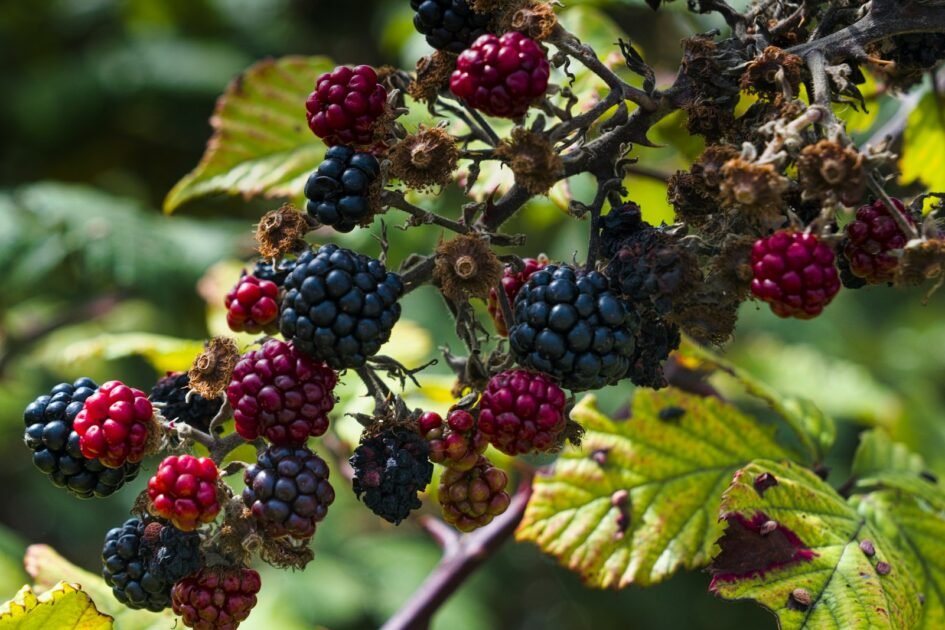
Blackberries are a standout choice when looking for the best fruits for calcium within the berry family. A one-cup serving of these dark, flavorful fruits provides about 42 milligrams of calcium. While this amount contributes to your daily goals, blackberries are perhaps more famous in the nutritional community for their exceptionally high levels of Vitamin K.
As noted by the Cleveland Clinic, Vitamin K is vital for bone health because it helps the body produce the proteins necessary for bone building and blood clotting. Without sufficient Vitamin K, the calcium you consume cannot be properly regulated within the bone crystal matrix. Blackberries also boast a high concentration of manganese, a trace mineral that is essential for bone growth and the maintenance of bone density.
How to integrate them:
The Perfect Parfait: Layer blackberries with calcium-rich Greek yogurt and a sprinkle of chia seeds for a high-mineral breakfast.
Fresh Green Salads: Toss a handful of blackberries into a spinach or arugula salad; the acidity of the berries helps the body process the minerals in the leafy greens.
Warm Compotes: Lightly simmer blackberries to create a topping for whole-grain pancakes or waffles.
Prickly Pears (Nopal)

The prickly pear, also known as the fruit of the Opuntia cactus or “nopal,” is an exotic but powerful entry on our list of the best fruits for calcium. This vibrant pink or yellow fruit offers approximately 83 milligrams of calcium per cup. While it might require a bit more preparation than a standard apple, its nutritional profile is remarkably impressive for those focused on skeletal health.
Beyond its calcium content, the prickly pear is highly valued for its antioxidant and anti-inflammatory properties. According to research indexed by the National Institutes of Health (NIH), the betalains found in prickly pears help reduce oxidative stress, which can otherwise lead to bone degradation. Additionally, WebMD highlights that this fruit is an excellent source of magnesium and potassium, both of which are critical partners for calcium in maintaining bone mineral density.
How to integrate them:
Refreshing Juices: Strain the seeds and blend the pulp with a splash of lime for a hydrating, calcium-rich beverage.
Exotic Fruit Salads: Peel and dice the fruit to add a sweet, cactus-pear flavor to a summer fruit bowl.
Smoothie Booster: Add the pulp to a green smoothie to balance earthy flavors with natural sweetness and extra minerals.
Tangerines (Clementines)
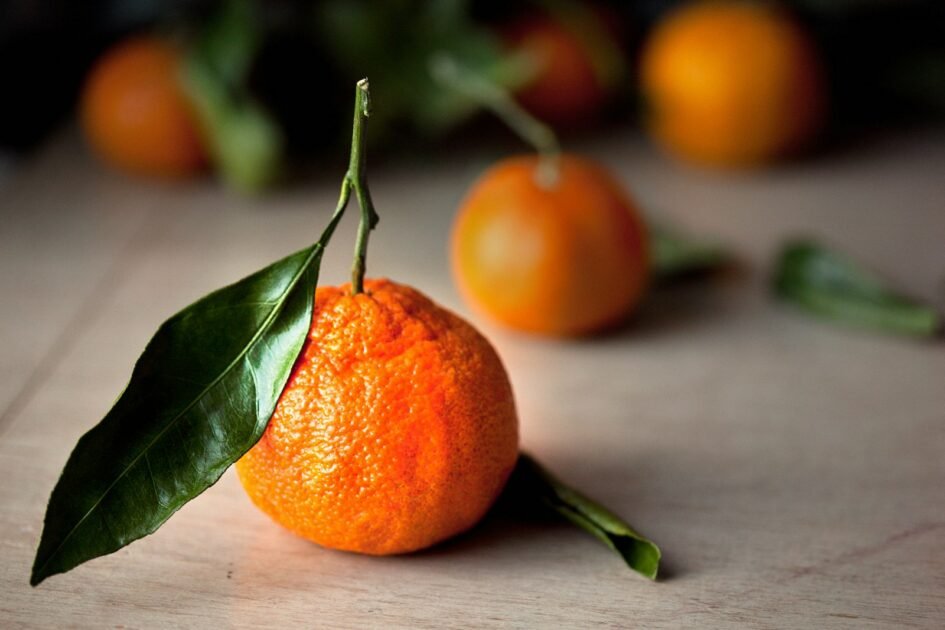
Tangerines and their smaller cousins, clementines, are convenient, portable, and surprisingly effective contributors to your daily mineral goals, making them some of the best fruits for calcium to keep in your kitchen. One medium-sized tangerine provides about 35 to 40 milligrams of calcium. While this is a smaller amount than a serving of figs, their high bioavailability—thanks to an abundance of Vitamin C—makes that calcium much easier for your body to use.
According to nutritional data from the USDA FoodData Central, tangerines are also excellent sources of folate and beta-carotene. The synergistic relationship between the citrus acid and the minerals in the fruit ensures that your digestive system can maximize the uptake of calcium from other foods you eat alongside them. Furthermore, as noted by Healthline, tangerines support immune health and skin integrity, which are vital components of a healthy, active lifestyle that supports strong bones.
How to integrate them:
The Ultimate Snack: Keep a bowl on your desk or in your car for a quick, “peel-and-eat” calcium boost.
Zesty Salads: Add segments to a walnut and goat cheese salad for a trio of bone-strengthening ingredients.
Infused Water: Add sliced tangerines to your water bottle to lightly mineralize your hydration throughout the day.
Prunes (Dried Plums)
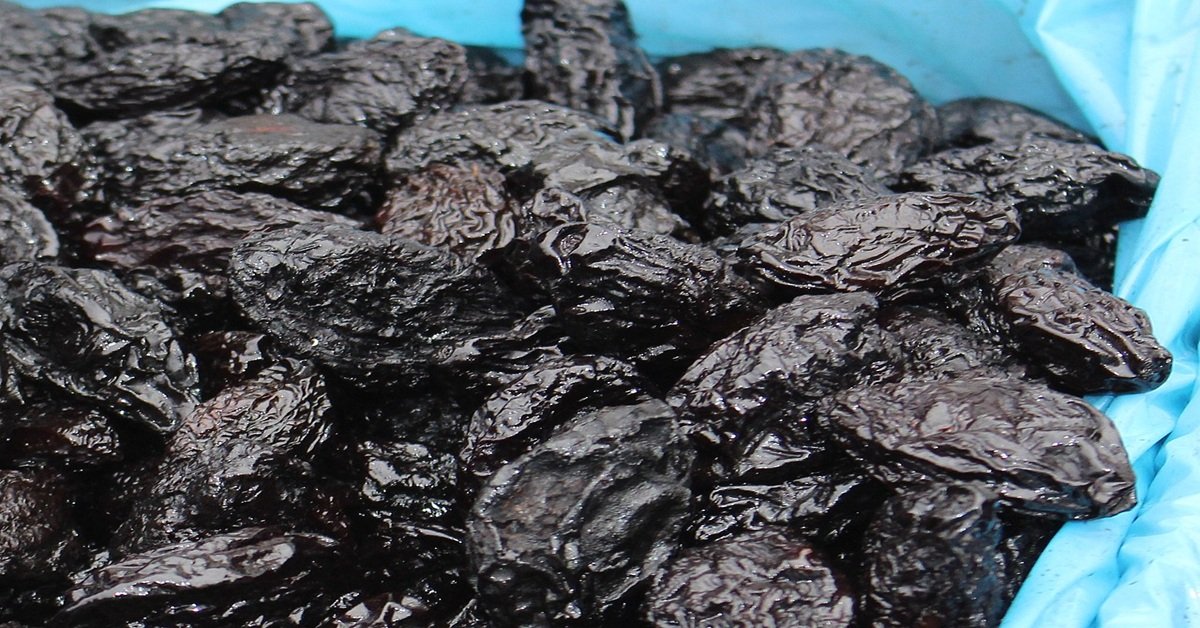
While often associated primarily with digestive health, prunes are an essential entry on any list of the best fruits for calcium. One cup of pitted, dried prunes provides roughly 75 milligrams of calcium. However, what truly makes prunes a “gold standard” for bone health isn’t just the calcium—it’s their unique ability to prevent and even reverse bone mineral density loss.
Extensive clinical research, including a landmark study led by researchers at Penn State University, has demonstrated that daily prune consumption can slow the progression of age-related bone loss and reduce fracture risk in postmenopausal women. Prunes are rich in phenolic compounds, which act as antioxidants to reduce inflammation in the bone, and they are one of the best sources of boron, a trace mineral that plays a critical role in how the body uses calcium and magnesium.
How to integrate them:
Baking Substitute: Use prune purée in place of butter or oil in baked goods to add moisture and a mineral boost.
The “Daily Five”: Research suggests that eating just 5–6 prunes a day is enough to see bone-protective benefits.
Morning Porridge: Slice prunes into hot cereal or muesli for a naturally sweet start that supports your skeleton.
Papaya
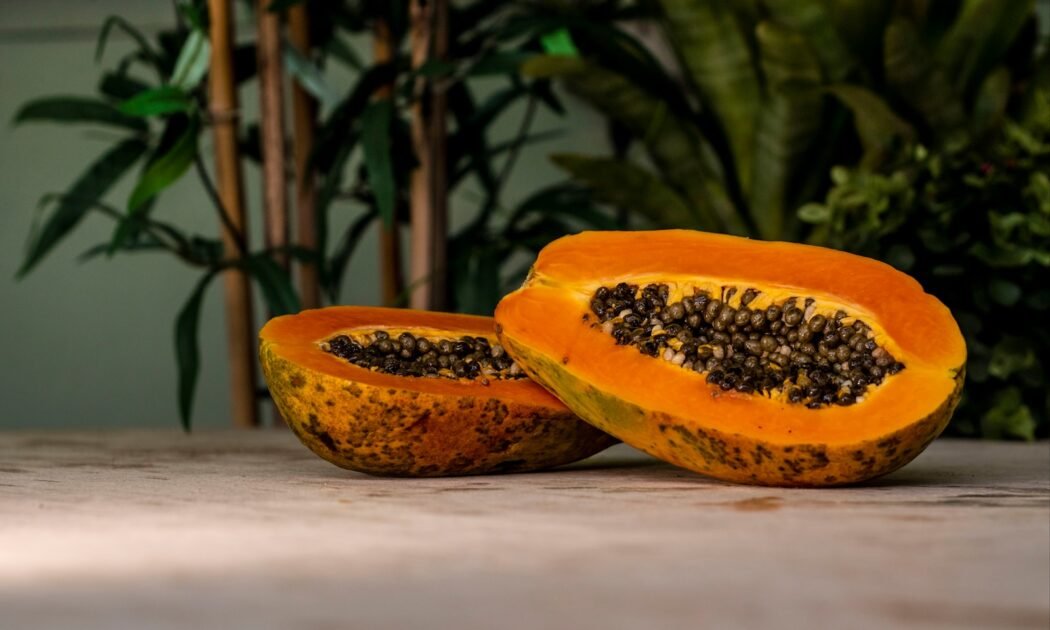
Rounding out our list of the best fruits for calcium is the tropical papaya. While it provides a more modest amount of the mineral—roughly 30 milligrams per cup of cubed fruit—it is a nutritional powerhouse for bone health in other ways. Papaya is exceptionally high in Vitamin C and Vitamin A, both of which are necessary for the production of collagen, the primary protein found in bones and connective tissues.
One of the unique benefits of papaya is the presence of papain, a digestive enzyme. According to Healthline, papain helps break down proteins more efficiently, which is vital because a healthy digestive system is the foundation for mineral absorption. Furthermore, the antioxidants in papaya, specifically lycopene, have been studied for their ability to reduce oxidative stress—a known contributor to bone resorption and osteoporosis.
How to integrate them:
Breakfast Bowls: Combine fresh papaya with lime juice and a sprinkle of hemp seeds for a mineral-rich start to the day.
Digestive Side: Eat a few slices of papaya after a protein-heavy meal to aid digestion and nutrient uptake.
Tropical Smoothies: Blend papaya with frozen mango and fortified orange juice for a refreshing, bone-supporting beverage.
Strategies for Maximum Calcium Absorption
Simply eating the best fruits for calcium is only half the battle; ensuring your body can effectively absorb and utilize those minerals is what truly protects your bone density. Calcium absorption is a complex process that relies on several “co-factors” to move the mineral from your digestive tract into your bloodstream and, finally, into your bone matrix.
The Vitamin D Connection
Vitamin D is the most critical partner for calcium. Without it, your body can only absorb a small fraction of the calcium you consume. According to the Mayo Clinic, Vitamin D acts as the “key” that opens the door for calcium to enter the body. While a few fruits like fortified orange juice contain Vitamin D, most people need adequate sunlight or supplementation to maintain healthy levels.
The Magnesium and Potassium Balance
For calcium to be properly regulated, it needs magnesium and potassium. Magnesium helps convert Vitamin D into its active form, while potassium prevents the body from leaching calcium through the kidneys. Fruits like dried figs, prunes, and apricots are excellent because they naturally package these minerals together.
What to Limit for Better Bone Health
Excessive Sodium: High salt intake causes the body to lose calcium through urine.
High Oxalate Interference: While some foods like spinach are high in calcium, they also contain oxalates, which can bind to the calcium and prevent it from being absorbed. This is why fruit sources are a great alternative.
Phytates: Found in some raw beans and grains, these can also hinder absorption. As noted by the National Institutes of Health (NIH), soaking grains or diversifying your diet with fruits helps mitigate this effect.
Comparison Table: Calcium Content at a Glance
| Fruit | Serving Size | Approx. Calcium Content |
|---|---|---|
| Dried Figs | 1 Cup | 240 mg |
| Prickly Pear | 1 Cup | 83 mg |
| Dried Apricots | 1 Cup | 72 mg |
| Prunes | 1 Cup | 75 mg |
| Oranges | 1 Large | 60–70 mg |
| Kiwi | 1 Cup (Sliced) | 60 mg |
| Mulberries | 1 Cup | 55 mg |
| Blackberries | 1 Cup | 42 mg |
| Tangerines | 1 Medium | 35–40 mg |
| Papaya | 1 Cup (Cubed) | 30 mg |
Conclusion: Building Stronger Bones with Fruit
While dairy often steals the spotlight, it is clear that the best fruits for calcium offer a powerful, plant-based alternative (or supplement) to traditional bone-health diets. From the mineral-dense dried fig to the Vitamin K-rich kiwi, these fruits provide more than just calcium—they deliver the essential vitamins and antioxidants that your body needs to keep your skeletal system resilient and strong.
By diversifying your plate with these colorful options, you aren’t just eating for bone density; you’re investing in your overall longevity. For more deep dives into mineral-rich recipes and the science of bone health, check out our article: How Does Calcium Benefit the Bones?
Frequently Asked Questions (FAQ)
Q. Can I get all my daily calcium from fruit alone?
A. While fruits are an excellent supplementary source, it is difficult for most people to meet the full RDA (usually 1,000mg–1,200mg for adults) through fruit alone. For the best results, combine these fruits with other high-calcium foods like leafy greens, nuts, seeds, and fortified cereals.
Q. Is the calcium in fruit as “absorbable” as the calcium in milk?
A. In many cases, yes. While some plant sources contain oxalates that can hinder absorption, most fruits on this list have high bioavailability. Furthermore, the high Vitamin C content in citrus fruits actually enhances the absorption of the calcium you consume.
Q. Which fruit has the absolute highest calcium content?
A. Dried figs are the winner. At roughly 240mg per cup, they provide more calcium per serving than any other common fruit.
Q. Does drying fruit change its calcium levels?
A. Drying fruit removes the water content, which concentrates the minerals. This means you get more calcium per gram in dried fruits (like apricots and prunes) than you do in their fresh counterparts. However, be mindful of the higher sugar and calorie density in dried varieties.
Q. Are there specific fruits I should avoid for bone health?
A. No specific fruit is "bad" for bones, but it is important to maintain a balance. Very high-fructose diets can occasionally interfere with mineral balance, but the fiber and nutrients in whole fruits generally far outweigh any risks.