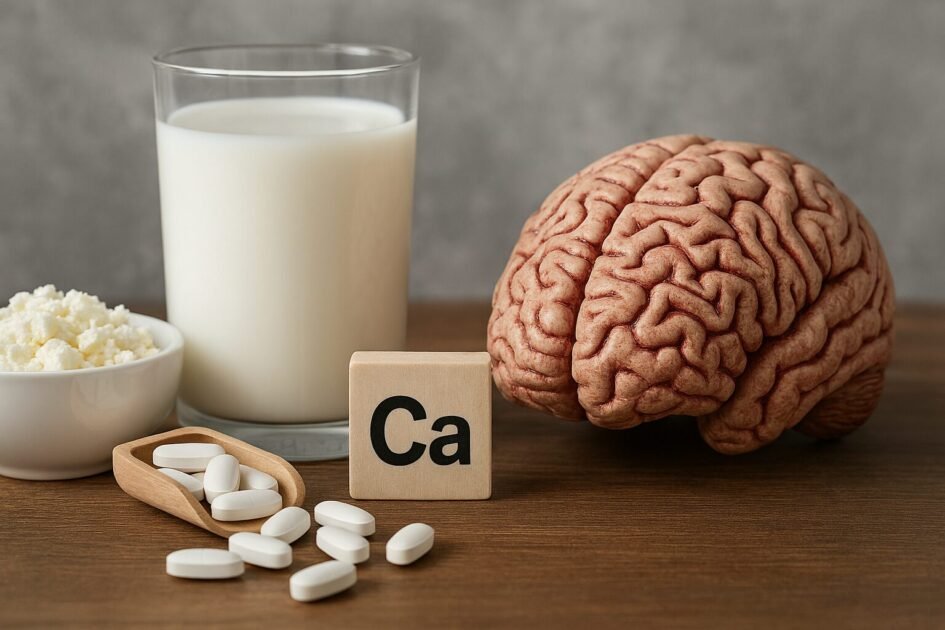
Calcium and Brain Health: Is There a Link to Cognitive Decline?
Calcium and Brain Health Introduction
When we discuss the connection between calcium and brain health, most people immediately think of bone density or osteoporosis, yet this essential mineral plays a far more sophisticated role within our neurological architecture. Calcium ions act as the primary signaling messengers in the brain, facilitating everything from the firing of a single neuron to the complex formation of new memories. However, emerging research suggests that the very mechanism that powers our thoughts may also be a double-edged sword.
The scientific community is increasingly investigating how the dysregulation of calcium levels within cells might contribute to the onset of neurodegenerative diseases like Alzheimer’s and Parkinson’s. Understanding this link is crucial: while we need calcium to keep our cognitive gears turning, an imbalance—whether too much or too little—could potentially accelerate symptoms of cognitive decline. In this article, we will dive into the delicate biological dance of calcium in the brain and explore how you can maintain the right balance to protect your mental longevity.
How Calcium Works in the Brain
To understand the link between calcium and cognitive decline, we must first look at why the brain is so dependent on this mineral. Within the central nervous system, calcium is not a structural building block like it is in bones; instead, it functions as a dynamic “second messenger.” When a nerve impulse reaches the end of a neuron, it triggers a sudden influx of calcium ions, which signals the cell to release neurotransmitters like glutamate or dopamine across the synaptic gap. This process is the fundamental basis of how your brain communicates.
Beyond simple communication, calcium is the primary driver of synaptic plasticity, the brain’s ability to strengthen or weaken connections based on activity. This process, known as Long-Term Potentiation (LTP), is how we form and store memories. Furthermore, calcium helps regulate the mitochondria—the powerhouses of the cell—ensuring that neurons have the massive amount of energy required to maintain cognitive function throughout the day.
The Calcium Hypothesis of Cognitive Decline
While calcium is vital for brain function, the “Calcium Hypothesis of Aging” suggests that the root cause of cognitive decline may lie in the brain’s inability to regulate this mineral. As we age, the delicate pumps and channels that move calcium in and out of neurons can become “leaky” or less efficient. This leads to calcium dysregulation, where the concentration of calcium inside the cell remains too high for too long.
When neurons are chronically flooded with calcium, it triggers a state called excitotoxicity. This “over-excitement” effectively exhausts the neuron, leading to cellular stress and eventual cell death. Research published in journals like Frontiers in Aging Neuroscience indicates that this persistent calcium overload is a primary driver of the synaptic loss seen in Alzheimer’s disease. Furthermore, an imbalance in calcium signaling is closely linked to the formation of Amyloid-beta plaques—the toxic protein clusters that interfere with brain communication and are a hallmark of neurodegenerative disorders.
The “U-Shaped” Relationship: Finding the Sweet Spot
When it comes to brain health, calcium follows a “U-shaped” risk curve, meaning that both deficiency and excess can negatively impact cognitive performance. This makes finding the “sweet spot” essential for long-term neurological health.
On one end of the spectrum, calcium deficiency (hypocalcemia) can disrupt the electrical signaling required for quick thinking. Without enough available calcium, neurons may struggle to release neurotransmitters, leading to symptoms like brain fog, confusion, and memory lapses. On the other end, excessive calcium—particularly from high-dose supplements—has raised concerns among researchers. Some studies suggest that too much supplemental calcium can contribute to vascular calcification, which may stiffen the small arteries in the brain, reducing blood flow and increasing the risk of vascular dementia.
The key takeaway from current nutritional neuroscience is that the body processes dietary calcium differently than synthetic supplements. Calcium from food sources is absorbed more slowly and is less likely to cause the “spikes” in blood calcium levels that are associated with arterial buildup and neuronal stress.
Key Factors Influencing Calcium Absorption
Simply consuming enough calcium is only half the battle; the brain requires specific “co-factors” to ensure that calcium is absorbed properly and directed to the right places. Without these supporting nutrients, calcium can accumulate in the blood or soft tissues rather than being utilized by neurons and bones.
The Vitamin D Connection: Vitamin D is the primary regulator of calcium absorption in the gut. More importantly, research suggests that Vitamin D receptors in the brain play a critical role in maintaining calcium homeostasis. Without adequate Vitamin D, the brain cannot effectively manage the influx and efflux of calcium ions.
The Role of Vitamin K2: Often called the “traffic cop” of the mineral world, Vitamin K2 activates proteins that move calcium out of the arteries and into the bones. This is vital for preventing vascular calcification in the brain, a major risk factor for small vessel disease and cognitive impairment.
The Magnesium Balance: Magnesium acts as a natural calcium channel blocker. By competing with calcium for the same receptors, magnesium prevents neurons from becoming “over-excited” by an excess of calcium, thereby protecting against the excitotoxicity mentioned earlier.
Practical Tips for Brain-Centric Calcium Health
Maintaining the right balance for your brain involves more than just reaching for a supplement bottle. The goal is to provide your body with steady, bioavailable sources of calcium while supporting the metabolic systems that keep it in check.
Prioritize Dietary Sources
The brain thrives on calcium that is absorbed slowly through the digestive process. Excellent calcium-rich food sources include leafy greens (kale, collards), sardines with bones, and almonds. These sources provide a steady supply without the “spiking” effect often seen with concentrated supplements.
Test, Don’t Guess
Before starting a high-dose regimen, it is wise to have a physician check your serum calcium and Vitamin D levels. Over-supplementation can be just as detrimental as deficiency, so consulting a healthcare provider for blood work is the safest approach to personalized nutrition.
Support the “Glymphatic System”
Your brain has a waste-clearance system that primarily functions while you sleep. Quality rest helps the brain flush out metabolic toxins and maintain mineral homeostasis, reducing the risk of calcium-related plaque buildup.
Engage in Weight-Bearing Exercise:
Physical activity isn’t just for your muscles; it signals the body to deposit calcium into the skeletal system rather than leaving it to circulate excessively in the bloodstream, which protects neurological and vascular health.
Calcium and Brain Health Conclusion
The relationship between calcium and brain health is a powerful reminder that more is not always better. While this mineral is the fundamental spark behind every thought, memory, and movement, its power must be carefully managed by the body. The “Calcium Hypothesis” highlights a critical shift in how we view cognitive decline—not just as an inevitable part of aging, but as a biological process tied to mineral dysregulation and cellular stress.
By focusing on a balanced intake of dietary calcium and ensuring you have the necessary co-factors like Vitamin D, Magnesium, and Vitamin K2, you can support your brain’s ability to communicate clearly and protect itself from long-term damage. Protecting your cognitive longevity isn’t about finding a “magic pill”; it’s about maintaining the delicate chemical harmony that allows your brain to thrive.
Frequently Asked Questions (FAQ)
Q: Can taking calcium supplements cause Alzheimer’s disease?
A: There is no direct evidence that calcium supplements cause Alzheimer’s. However, research into calcium dysregulation suggests that excessive levels of “free” calcium in the blood (hypercalcemia) may contribute to the vascular stiffness and neuronal stress associated with cognitive decline.
Q: How do I know if my brain isn’t processing calcium correctly?
A: Early signs of mineral imbalance can be subtle. They often manifest as “brain fog,” irritability, muscle tremors, or difficulty concentrating. If you are concerned, a serum calcium blood test performed by a doctor can help determine your levels.
Q: What is the best way to get calcium for brain health without overdoing it?
A: Experts generally recommend prioritizing food-based calcium over supplements. Foods like yogurt, kale, and sardines provide calcium in a form that the body absorbs slowly and safely, reducing the risk of the arterial calcification linked to cognitive issues.
Q: Does Vitamin D really affect how my brain uses calcium?
A: Yes. Vitamin D is essential for the brain’s “calcium-binding proteins.” Without enough Vitamin D, your brain cells cannot effectively regulate the flow of calcium, which can lead to the “leaky” cells described in the Calcium Hypothesis.