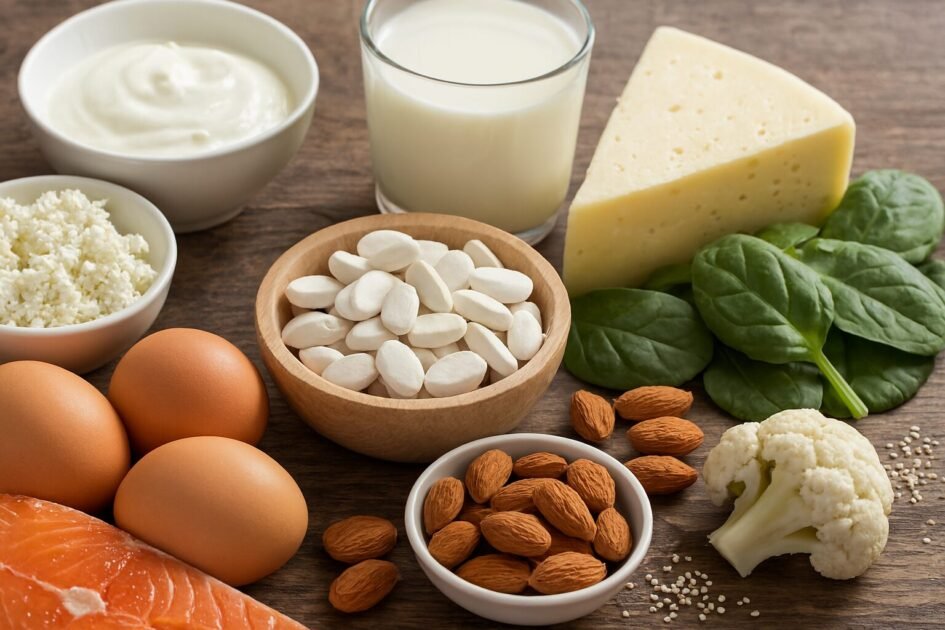
What is Calcium? The Ultimate Guide to Its Top 10 Benefits
What is Calcium? The Ultimate Guide Introduction
What is calcium, and why is it often called the “foundation of life” within the human body? Scientifically speaking, calcium is the most abundant mineral found in our anatomy, making up roughly 2% of an adult’s total body weight. While it is widely recognized for its role in skeletal strength, its importance extends far beyond just “strong bones.”
In fact, your body manages its calcium levels with extreme precision. Approximately 99% of your calcium is stored as a structural reservoir in your bones and teeth, providing the rigidity needed for movement and protection. The remaining 1% circulates in your blood and soft tissues, where it performs life-critical tasks like keeping your heart beating, your nerves communicating, and your blood clotting after an injury.
Because our bodies cannot produce this mineral on their own, we must rely on consistent intake from dietary sources or supplements. According to the National Institutes of Health (NIH), failing to meet these daily requirements forces your body to “borrow” calcium from your bones, which can lead to long-term health complications.
Understanding the full scope of this mineral is essential for anyone looking to optimize their longevity and metabolic health. Let’s dive into the top 10 science-backed benefits of maintaining optimal calcium levels.
What Are Calcium’s Top 10 Benefits
Benefit 1: Building and Maintaining Bone Density
At its core, the primary function of calcium is to provide the structural integrity required for the human skeleton. Your bones are not static pieces of “rock”; they are living, dynamic tissues that are constantly being broken down and rebuilt in a process called remodeling.
Calcium serves as the “bricks” in this construction project. During childhood and adolescence, the body uses calcium to build peak bone mass. According to the Mayo Clinic, most people reach their maximum bone density by age 30. After this point, the “bone bank” stops accepting major deposits, and the focus shifts to maintaining what you have.
If your daily intake is too low, the body enters a “withdrawal” state, stripping calcium from the skeleton to support other vital organs like the heart. Over time, this leads to:
Osteopenia: The precursor to bone loss where bone density is lower than normal.
Osteoporosis: A condition characterized by brittle, porous bones that are highly susceptible to fractures.
Maintaining adequate levels is particularly crucial for postmenopausal women. The National Osteoporosis Foundation notes that bone loss accelerates during this life stage due to a drop in estrogen, making calcium intake a frontline defense against debilitating hip and spinal fractures.
Benefit 2: Strengthening Tooth Enamel and Oral Health
Just as calcium provides the framework for your skeleton, it is the fundamental component of your tooth enamel—the hardest substance in the human body. Enamel acts as a protective shield for the sensitive inner layers of your teeth, but it is under constant attack from acids produced by oral bacteria.
What is calcium’s role in oral health? Calcium’s role in oral health is centered around two key processes:
Remineralization: When you eat, the pH level in your mouth drops, causing minerals to leach out of your enamel (demineralization). Calcium in your saliva helps “rebuild” these microscopic weak spots. According to the American Dental Association (ADA), maintaining a mineral-rich diet is essential for preventing erosive tooth wear and caries.
Jawbone Integrity: Your teeth are anchored into the jawbone (alveolar bone). If the body is deficient in calcium, it may pull the mineral from the jaw, leading to loose teeth. Research archived by the National Institutes of Health (NIH) highlights that low calcium intake is a significant risk factor for periodontal (gum) disease and subsequent tooth loss.
By prioritizing calcium, you are maintaining the structural foundation of your smile. As noted by WebMD, this natural repair process is your mouth’s primary defense against permanent cavities.
Benefit 3: Regulation of Muscle Contraction
Every time you move a finger, blink, or take a step, your body is using calcium to facilitate muscle movement. While we often think of muscles as purely protein-based, they cannot function without the “on/off switch” provided by calcium ions.
When a nerve stimulates a muscle, the muscle cell releases calcium. This calcium then binds to proteins within the muscle fibers (troponin and tropomyosin), which allows the muscle to contract. Once the calcium is pumped back out of the fiber, the muscle relaxes.
Without sufficient ionized calcium in your blood:
Muscle Cramps: You may experience involuntary “charley horses” or spasms.
Muscle Weakness: Your muscles may feel fatigued or heavy because the signaling process is inefficient.
Tetany: In severe cases of deficiency, muscles can go into a state of constant, painful contraction.
According to Healthline, electrolyte imbalances—specifically low calcium, magnesium, and potassium—are leading triggers for muscle dysfunction. Ensuring your levels are stable is vital for everyone from casual walkers to high-performance athletes.
Benefit 4: Supporting Cardiovascular and Heart Health
What is calcium’s role in in bone health? While bone health often gets the most attention, perhaps the most critical role calcium plays is keeping your heart beating. The heart is a specialized muscle that relies on an intricate electrical system to maintain a steady rhythm. Calcium ions act as the “messengers” that carry electrical signals from the nerves to the heart muscle fibers, triggering each contraction.
In the cardiovascular system, calcium is essential for the physical process of pumping blood. During each heartbeat, calcium particles enter the heart muscle cells and facilitate the electrical signal that coordinates the contraction of the heart’s chambers. According to the American Heart Association (AHA), calcium is so central to heart function that doctors often use medications known as calcium channel blockers to manage conditions like high blood pressure and irregular heartbeats.
Beyond the rhythm itself, calcium supports the physical structure of blood vessels. It helps the smooth muscles within your artery walls contract and relax appropriately, ensuring that blood can flow freely to your vital organs.
Maintaining a precise balance is key to avoiding cardiovascular strain. As noted by Mayo Clinic, the way your body handles calcium is fundamental to managing arterial pressure and general cardiac stability. For long-term heart health, getting your calcium from dietary sources—like leafy greens and dairy—is often recommended over high-dose supplements to ensure a steady, manageable absorption rate for the heart.
Benefit 5: Blood Pressure Regulation
What is calcium’s role in regard to blood pressure? Beyond its role in keeping the heart rhythm steady, calcium plays a significant part in managing systemic blood pressure. It helps the smooth muscles that line your blood vessels contract and relax. When these muscles function correctly, your blood vessels can maintain the proper “tone,” allowing blood to flow with the right amount of pressure.
Scientific research has long suggested a link between high calcium intake and lower blood pressure. One of the most famous examples of this is the DASH (Dietary Approaches to Stop Hypertension) diet. As detailed by the National Heart, Lung, and Blood Institute (NHLBI), this eating plan emphasizes calcium-rich foods alongside magnesium and potassium to significantly reduce hypertension.
Calcium’s impact on blood pressure involves several mechanisms:
Sodium Regulation: Calcium helps the kidneys excrete excess sodium, which is a primary driver of high blood pressure.
Vascular Resistance: Adequate calcium prevents the smooth muscles in arteries from over-constricting, which keeps the “pipes” open and reduces the workload on the heart.
Hormonal Balance: It helps regulate hormones like parathyroid hormone (PTH), which, when elevated due to low calcium, can actually cause blood pressure to rise.
According to a review by Medical News Today, maintaining the right balance of calcium is a foundational step in preventing long-term cardiovascular strain. By ensuring your body has enough of this mineral, you are essentially providing your vascular system with the tools it needs to stay flexible and resilient.
Benefit 6: Essential Blood Clotting (Coagulation)
What is calcium’s role with blood clotting? While we often think of calcium as a structural mineral, it is also a vital “co-factor” in the complex chemical process of blood clotting. Without calcium, your body would be unable to stop bleeding after a simple cut or a more serious internal injury.
In the world of hematology, calcium is known as Factor IV in the coagulation cascade—a series of rapid chemical reactions that turn liquid blood into a solid gel (a clot). Calcium acts as a “chemical glue” that allows various proteins and platelets to bind together at the site of a wound.
According to the National Center for Biotechnology Information (NCBI), calcium ions ($Ca^{2+}$) are required for the activation of several key clotting factors. Without these ions present in the bloodstream:
Delayed Healing: Wounds would take significantly longer to close.
Easy Bruising: Minor bumps could result in large, unexplained bruises.
Risk of Hemorrhage: Severe deficiencies could lead to dangerous bleeding episodes.
This life-saving benefit highlights why the body maintains such a strict concentration of calcium in the blood (the 1% reservoir). As noted by the Cleveland Clinic, your body will even sacrifice the calcium in your bones to ensure there is enough in your blood to maintain this critical clotting ability.
Benefit 7: Nervous System Communication
What is calcium’s role in the nerves? Your nervous system is an incredibly fast electrical network, but for signals to jump from one nerve cell to another, they need a chemical messenger. Calcium is the essential trigger that makes this communication possible. Without it, your brain could not send instructions to your muscles, and your senses could not report back to your brain.
When an electrical impulse reaches the end of a nerve cell (the axon terminal), it triggers the opening of “voltage-gated calcium channels.” Calcium ions then rush into the cell, which signals the release of neurotransmitters—the chemicals that carry messages across the gap (synapse) to the next cell.
According to research from the National Institute of Neurological Disorders and Stroke (NINDS), this process is fundamental to everything from memory formation to basic reflexes. When calcium levels in the extracellular fluid are too low (a condition called hypocalcemia), nerves can become “hyperexcitable.” This often manifests as:
Paresthesia: Tingling or “pins and needles” sensations in the hands, feet, or around the mouth.
Cognitive Fog: Difficulty concentrating or memory lapses.
Irritability and Anxiety: Changes in mood caused by disrupted signaling in the brain.
As explained by MSD Manuals, maintaining precise calcium levels is vital because even a slight deviation can lead to neurological symptoms ranging from mild twitching to more severe seizures in extreme cases.
Benefit 8: Weight Management and Metabolism
What is calcium’s role in metabolism? While calcium is primarily known for its structural roles, it also plays a fascinating part in metabolic health. Research suggests that dietary calcium may influence how your body stores and breaks down fat through its interaction with specialized hormones.
One of the primary mechanisms involves calcitriol, the active form of Vitamin D that regulates calcium levels. When your calcium intake is low, calcitriol levels rise, signaling your fat cells to store more fat and slowing down the fat-burning process. Conversely, when you consume adequate calcium, calcitriol levels are suppressed, which may encourage your body to burn fat more efficiently.
Additionally, dietary calcium can bind with small amounts of fatty acids in the digestive tract, preventing them from being fully absorbed into the bloodstream and instead carrying them out of the system as waste. According to data published by the National Institutes of Health (NIH) Office of Dietary Supplements, while calcium is not a “weight loss pill,” maintaining optimal levels is essential for the metabolic signaling required for healthy energy balance.
By ensuring your body has sufficient calcium, you support the internal environment necessary for a high-functioning metabolism and proper energy regulation.
Benefit 9: Reducing Symptoms of PMS
What is calcium’s role with PMS? For many women, calcium is a powerful ally in managing the physical and emotional challenges of the menstrual cycle. Clinical evidence suggests a strong link between calcium levels and the severity of Premenstrual Syndrome (PMS) symptoms, including mood swings, bloating, and food cravings.
The relationship exists because calcium levels fluctuate throughout the menstrual cycle in response to changing estrogen levels. When calcium is low, it can trigger or worsen symptoms of irritability and anxiety by affecting how neurotransmitters function in the brain.
According to clinical research published in the Journal of Obstetrics and Gynaecology of India, calcium supplementation was shown to significantly reduce the intensity of PMS symptoms. Key improvements were often noted in:
Water Retention: Reducing the uncomfortable “bloated” feeling and weight gain associated with the cycle.
Mood Stability: Lowering irritability and emotional sensitivity.
Physical Comfort: Helping to alleviate the severity of menstrual cramps by supporting proper muscle relaxation.
By ensuring consistent calcium intake, women can help stabilize the metabolic and hormonal shifts that occur each month. As highlighted by Mount Sinai Health System, calcium is one of the most widely researched and recommended nutritional interventions for managing the cyclical distress of PMS.
Benefit 10: Prevention of Kidney Stones
What is calcium’s role regarding the kidney? It may seem counterintuitive, but consuming enough calcium is actually one of the most effective ways to prevent the most common type of kidney stones. For years, it was mistakenly believed that because kidney stones are often made of calcium oxalate, people at risk should avoid calcium. However, modern science has proven the opposite to be true.
When you consume calcium-rich foods, the mineral binds to oxalates (compounds found in many vegetables and nuts) while they are still in your stomach and intestines. This allows the oxalate to be excreted through your stool rather than being absorbed into your bloodstream. If there isn’t enough calcium in your gut to bind with these oxalates, they travel to your kidneys, where they concentrate in your urine and form painful stones.
According to the National Kidney Foundation, a diet low in calcium can actually increase your risk of developing kidney stones. The key, however, is the source; dietary calcium is much more effective at this “binding” process than supplements taken without food.
As noted by the Harvard T.H. Chan School of Public Health, ensuring you have adequate calcium intake during meals is a foundational strategy for long-term renal health and stone prevention.
How to Maximize Calcium Absorption
Knowing “what is calcium” is only half the battle; the other half is ensuring your body can actually use the calcium you consume. Calcium is notoriously difficult for the human body to absorb on its own. Without the right “co-factors,” much of the calcium you eat may simply pass through your system without ever reaching your bones or bloodstream.
To get the most out of your diet or supplements, you must focus on these three critical elements:
The Vitamin D Connection: Vitamin D is the “key” that unlocks the door for calcium. It helps the body produce a protein that carries calcium from the intestines into the blood. Without it, your body can only absorb a small fraction of the calcium you ingest. According to the Mayo Clinic, Vitamin D is essential for preventing bone loss and ensuring calcium efficiency.
The Role of Magnesium and Vitamin K2: While calcium builds the bone, Magnesium and Vitamin K2 act as the “navigators.” Magnesium helps convert Vitamin D into its active form, while Vitamin K2 activates a protein called osteocalcin, which binds calcium to the bone matrix. This prevents calcium from “settling” in the wrong places, such as your arteries.
Watch Out for “Calcium Inhibitors”: Certain substances can block calcium absorption. Phytic acid (found in whole grains) and oxalates (found in spinach and beet greens) can bind to calcium in the gut and prevent it from being absorbed. As noted by Oregon State University’s Linus Pauling Institute, even excessive caffeine and sodium can increase the amount of calcium your body loses through urine.
By balancing your calcium intake with these supporting nutrients, you ensure that the mineral is deposited exactly where it’s needed most.
Conclusion: How Much Calcium Do You Need?
Understanding what is calcium and its vast array of benefits is the first step toward a healthier lifestyle. From the structural integrity of your skeleton to the electrical rhythm of your heart, this mineral is involved in nearly every vital process in the human body. However, because your body cannot produce its own calcium, maintaining a consistent daily intake is non-negotiable for long-term health.
The National Institutes of Health (NIH) recommends that most adults aim for between 1,000 mg and 1,200 mg of calcium per day, depending on age and gender. While supplements can help bridge the gap, experts generally recommend a “food-first” approach to allow for better absorption and to reduce the risk of digestive side effects.
By prioritizing calcium-rich foods like dairy, leafy greens, and fortified cereals—and pairing them with adequate Vitamin D—you are investing in a future of stronger bones, a healthier heart, and a more resilient metabolism.
Frequently Asked Questions (FAQ)
Q. What is the best time of day to take a calcium supplement?
A. It depends on the type. Calcium carbonate should be taken with food because it requires stomach acid to dissolve. Calcium citrate can be taken with or without food. Generally, it is best to take calcium in smaller doses (500 mg or less) twice a day to maximize absorption, as the body struggles to process large amounts all at once.
Q. Can I get enough calcium if I am vegan or lactose intolerant?
A. Yes. While dairy is a common source, many plant-based foods are rich in calcium. Chia seeds, almonds, tofu (processed with calcium sulfate), kale, and fortified plant milks are excellent alternatives.
Q. What are the first signs of a calcium deficiency?
A. Early signs of low calcium (hypocalcemia) can be subtle. They often include muscle cramps, "pins and needles" sensations in the hands or feet, brittle nails, and excessive fatigue. If left untreated, it can lead to more serious neurological symptoms or bone fractures.
Q. Does drinking coffee affect my calcium levels?
A. High caffeine intake can slightly increase the amount of calcium excreted in your urine. However, as noted by Creighton University research, this effect is usually negligible if you are meeting your daily calcium requirements through your diet. Adding a splash of milk to your coffee can easily offset the small loss.
Q. Can you have too much calcium?
A. Yes. A condition called hypercalcemia occurs when there is too much calcium in the blood, which can weaken bones, create kidney stones, and interfere with heart and brain function. This is most commonly caused by over-supplementation rather than diet. Always consult a healthcare provider before starting a high-dose regimen.